How to Raise Your Vibration: 7 Science-Backed Methods
Discover practical techniques to lift your everyday state and support your wellbeing. Raising your vibration is a metaphor, but some of the practices behind it are linked with real, measurable...

Discover practical techniques to lift your everyday state and support your wellbeing. Raising your vibration is a metaphor, but some of the practices behind it are linked with real, measurable changes in the body.
Raising your vibration is Frequara language for shifting how you feel day to day, from contracted and stressed toward calm, open and resourced. Your vibration isn’t a measurable frequency in hertz. It’s a way of describing your overall state, which does show up in real things like breathing, sleep, mood and heart rate variability. Many people find a steadier state brings more resilience and follow-through. Here are seven methods to try, with what the evidence does and doesn’t show.
1. Heart Coherence Breathing
Your heart rhythm speeds up and slows down with your breath, and this heart rate variability is real and measurable. Slow, paced breathing, such as a 5-count inhale and a 5-count exhale (about 6 breaths per minute), is linked with higher heart rate variability, and studies of heart rate variability biofeedback have shown modest benefits for stress and anxiety. The HeartMath Institute’s larger claims about the heart’s field are its own, not established physics.
Practice: Breathe in for 5 counts and out for 5 counts, without forcing it. At the same time, rest your attention on the centre of your chest and bring to mind something you feel grateful for or love. Do this for five to ten minutes a day. Many people find it one of the quickest ways to feel more settled.
2. Cold Exposure (Intentional Stress)
Cold water triggers a short stress response: you gasp and feel suddenly alert. Cold water on the face also sets off the diving reflex, which slows the heart. Many people say a cold finish to a shower lifts their mood, and Wim Hof’s method has made it popular, but research on the health benefits of regular cold exposure is still limited. If you have a heart condition, check with a doctor first.
Practice: End your next shower with 30 seconds of cool or cold water, building up slowly only if it feels good. Start with your extremities (hands, feet), then face, then full body. Breathe steadily, and stop if you feel dizzy or unwell. Notice how you feel over a few weeks.
3. Sound and Frequency Listening
Sound is vibration moving through air, and music can change how you feel. Many people find calming music, singing bowls or tuning forks relaxing. But there is no reliable evidence that tones such as 432 Hz or 528 Hz heal the body or repair cells, and research on binaural beats is mixed. Enjoy these sounds as you would any calming music.
Practice: Listen to calming music, binaural beats or solfeggio frequencies for 20 minutes while you rest, at a low, comfortable volume. Or strike a tuning fork and listen as the sound fades. Combine it with slow breathing or meditation. Notice whether you feel calmer, and keep what helps.
4. Grounding and Earthing
Earthing means time with bare skin on the ground. Supporters link it to the Schumann resonance, a real atmospheric phenomenon at about 7.83 Hz, but it has no shown health effect, and research on earthing itself is small and limited. What is easier to stand behind: many people find time outdoors calming and restorative.
Practice: Spend 15 to 30 minutes outside most days, barefoot on grass, soil or sand if it’s safe. If that’s not possible, walk in a park. Put your phone away and notice the ground, the air and the sounds around you.
5. Gratitude Practice and Elevated Emotion
Gratitude practices are simple, and some people find that noticing what’s going well lifts their mood over time. In the Frequara model, gratitude is a high-frequency emotional state compared with fear, anger or worry. That’s a metaphor: emotions don’t vibrate at a measurable frequency. The practice itself is gentle and worth trying.
Practice: Each morning, write or speak aloud three specific things you’re grateful for. Feel the emotion in your heart. Evening, do the same. Make it specific (“I’m grateful for the warmth of my coffee” not “I’m grateful for coffee”). Specific details make the feeling easier to find. Over time, some people find a more grateful outlook starts to feel normal.
6. Movement and Dance
Regular physical activity is widely linked with better mood and lower stress. Dance brings together movement, music and often joy, which is why many people find it one of the most uplifting practices, a high-frequency activity in Frequara terms. That describes how it feels, not a claim that your body vibrates faster.
Practice: Dance for 15 to 20 minutes to music that makes you feel alive. Don’t worry about looking good; let your body move freely. It combines music, movement and joy, which makes it a lovely way to lift your state.
7. Conscious Breathwork and Pranayama
Breathing runs on its own, but you can also control it, which makes it an easy way to influence how you feel. Pranayama (yogic breathing) uses different patterns: faster breathing tends to feel energising, slower breathing calming. The idea that alternate nostril breathing balances the brain’s hemispheres is not well supported, but many people find it calm and focusing.
Practice: Try alternate nostril breathing: Close your right nostril, inhale left for 4, switch and exhale right for 4. Inhale right for 4, switch and exhale left for 4. Repeat for 5 minutes. Fast breathing styles such as the Wim Hof method (30 to 40 deep, rapid breaths, then a breath hold) can cause light-headedness or fainting: only try them sitting or lying down, never in or near water or while driving, and skip them if you are pregnant or have a heart or breathing condition. Keep what works for you.
The Integration Principle: Combining Practices
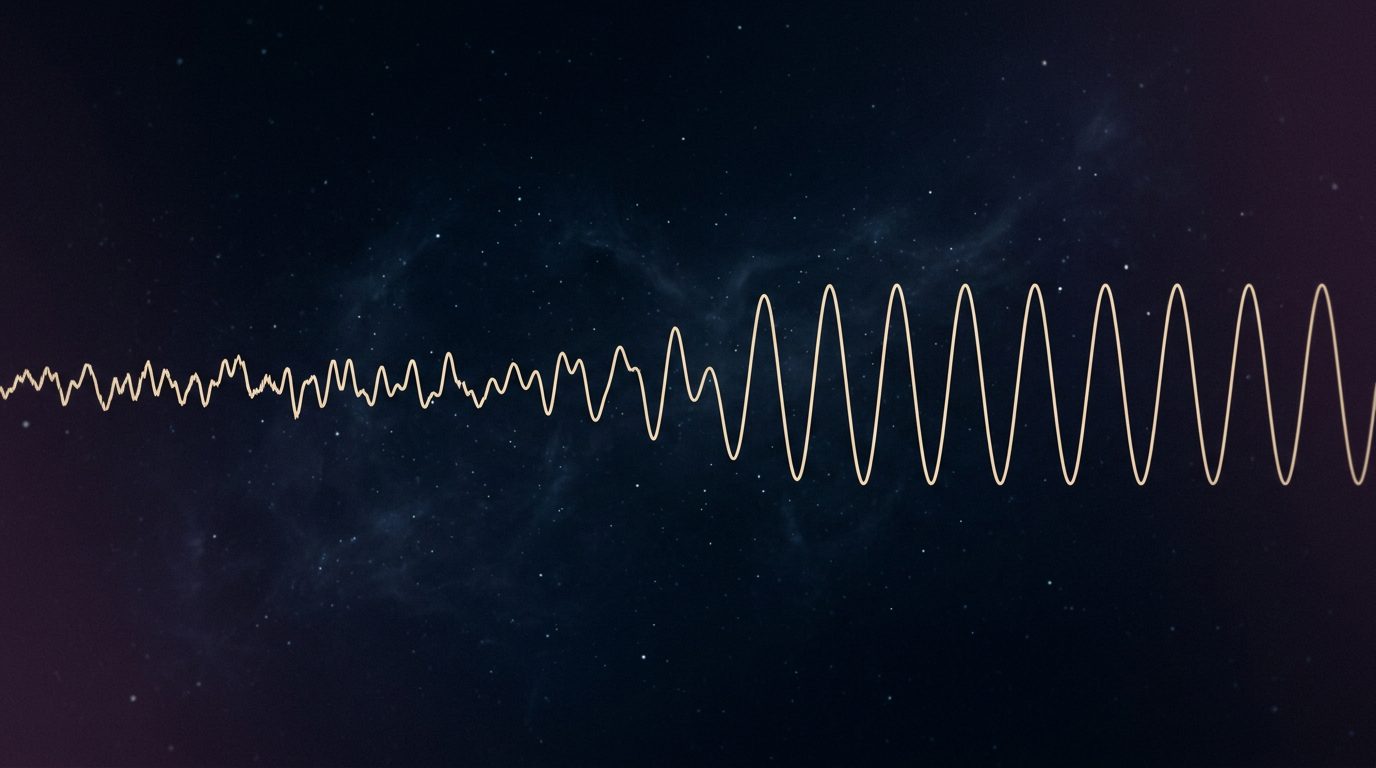
One practice can lift your state. Combining two can feel even better. You don’t need all seven: a few, done regularly, is plenty.
A simple daily rhythm might be: morning heart coherence breathing + gratitude, midday cold splash + time outside, evening dance + calming music. Consistency matters more than intensity. New habits take repetition to feel automatic, and how long that takes varies a lot between people.
Noticing Your Vibration Elevation
You don’t need equipment to notice when your vibration, in the Frequara sense, has lifted. Signs people describe: better sleep, a steadier mood, more meaningful coincidences, more even energy, easier interactions, clearer intuition. These are personal signs, not measurements. When you feel steadier, you respond to the world differently, and that can change how your days go.
Going Deeper with the Frequency Framework
For a fuller exploration of the frequency model in your body and consciousness, and how to apply it across every area of your life, the Frequency book goes deeper into the Frequara framework behind these practices. You’ll understand not just the “how” but the “why,” making your practice more intentional.
Your vibration is your power, in the Frequara sense. By practising these seven methods, you’re building habits that support a steadier baseline. Start with one, get comfortable with it, then layer on others. Over weeks and months, many people notice real changes in how they feel. In the Frequara framework, that is resonance law in action.
Continue your work with the codes. Quantum Healing Codes contains 1,500+ intentional number sequences across 40+ categories, including pain, sleep, anxiety and manifestation, paired with the full activation guide and the Frequara Starter Set. The codes are not cures and not medical advice.