Why You Keep Attracting the Same Relationships
It's not bad luck. Your relationship pattern reflects what the Frequara model calls your frequency signature. Understand how familiarity, attachment, karmic patterns and the mirror effect can create relational cycles.

It’s not bad luck. Your relationship pattern reflects what the Frequara model calls your frequency signature. Understand how familiarity, attachment, karmic patterns and the mirror effect can create relational cycles.
You’ve been in three relationships, and they all ended the same way. Different people, same pattern: emotional unavailability, lack of commitment, or constant conflict. You tell yourself “I just have bad taste in partners” or “I’m unlucky in love.” But something deeper may be operating. You may not simply be attracting the wrong people. You may be drawn to people who match your current pattern, what the Frequara model calls your frequency signature.
This isn’t about blame or self-judgement. It’s about understanding a pattern the Frequara model describes as a frequency law: like attracts like. Your nervous system, attachment style, self-worth and unhealed wounds all shape how you show up, who you notice and who feels right. People with compatible patterns, even unhealthy ones, can feel strangely familiar. Until that pattern shifts, you may keep finding the same relationship dynamic with different people.
Frequency Matching: The Attraction Law Nobody Talks About
In physics, resonance happens when two frequencies align. If you play a note on a piano, a tuning fork tuned to the same frequency will vibrate in response. People don’t literally work this way, but it is a useful picture. In the Frequara model, your frequency signature is made of your beliefs, wounds, nervous system state and self-concept, and it shows up constantly in how you act and what you respond to. You tend to be drawn to people whose patterns fit yours.
This means:
- If your frequency says “I’m unworthy of stable love,” you may be drawn to unavailable partners who confirm it.
- If your frequency carries “I need to control/fix my partner,” you may be drawn to people who seem to need controlling or fixing.
- If your frequency is anxious attachment, you may be drawn to avoidant partners who activate your anxiety.
- If your frequency believes “men/women are untrustworthy,” you may be drawn to people who confirm that belief.
The pattern isn’t random. In the Frequara model it’s a frequency match. The other person doesn’t create your pattern; they fit it. When your pattern changes, the people you choose often change too.
You don’t always attract who you want. You’re often drawn to who matches your frequency.
Karmic Patterns and the Mirror Effect
Many spiritual traditions talk about “karmic relationships”: connections that repeat until the lesson is learned. From a frequency perspective, this is a helpful way to see it. A partner can act as a mirror, reflecting back your unhealed wounds and unresolved patterns. Similar relationships tend to repeat until you work through the wound being mirrored.
Here’s how it typically plays out:
- Pattern Recognition: Your new partner has a specific quality that unconsciously reminds you of an old wound (a parent’s abandonment, a past betrayal, a self-worth issue).
- Frequency Match: Your nervous system recognises this quality and activates the old wound pattern. You enter the “familiar” dynamic even if it’s unhealthy.
- Activation: Conflict can arise from your wound as much as from what your partner actually did. Your nervous system is fighting an old battle in a new relationship.
- Pattern Confirmation: Because you’re acting from the wound frequency, your partner may respond in ways that seem to validate the old wound. The cycle deepens.
- Breakdown or Learning: The relationship either ends (and repeats elsewhere), or both partners do the frequency work to break the cycle.
The person isn’t the whole problem. The pattern is part of it too, and that part is yours: it exists whether your partner engages with it or not. That doesn’t make you responsible for how anyone treats you. A healthy partner may eventually step back if the old pattern keeps running. An unhealthy partner may deepen the cycle because it suits them.
Attachment Styles as Vibrational Signatures
Attachment theory in psychology describes these patterns without any talk of frequency. The Frequara model adds a metaphor: your attachment style (secure, anxious, avoidant or fearful-avoidant) can be pictured as a nervous system frequency pattern.
Anxious Attachment Frequency
Your nervous system believes “I need the other person to feel safe.” This often draws you towards avoidant partners (who feel crowded and withdraw) or dismissive partners (who enjoy the admiration). The anxious-avoidant pairing is a well-known relationship cycle because the two patterns are mismatched in a way that triggers both partners.
Avoidant Attachment Frequency
Your nervous system believes “Connection means loss of freedom.” This often draws you towards anxious partners (who pursue to get your attention) or other avoidant partners (creating emotional distance). You end up in relationships with high emotional demand that makes you want to withdraw more.
Fearful-Avoidant Frequency
Your nervous system believes “I want connection but I’m afraid of it.” This creates a push-pull pattern that confuses partners and can draw in people who are also ambivalent. Hot-and-cold dynamics are common, with periods of deep connection followed by sudden withdrawal.
Secure Attachment Frequency
Your nervous system believes “Connection is safe and healthy.” This shows up as a stable, steady pattern that tends to suit other secure partners and makes unhealthy dynamics easier to spot and leave. Secure people are less likely to stay stuck in trauma bonds or repeating unhealthy patterns.
The interesting part: your stated values are only part of the picture. What feels familiar to your nervous system also shapes who you choose. Someone can say “I want a healthy relationship” but carry a deep belief of “I deserve abandonment,” and find themselves drawn to partners who leave. In the Frequara model, that unconscious frequency signature is a powerful attractor.
Self-Worth Frequency and Partner Selection
Your sense of self-worth is one of the strongest signals you bring to relationships. It often shapes what you accept from a partner:
- Low self-worth frequency: You may accept partners who are emotionally unavailable or controlling, and find it harder to leave. Abuse is never caused by the person on the receiving end; it is the responsibility of the person doing it.
- Medium self-worth frequency: You may choose partners at a similar level. You might have decent relationships with periods of conflict, where neither partner has done much inner work yet.
- High self-worth frequency: You tend to choose partners who also value themselves, and relationships are more likely to feel reciprocal. You’re more likely to leave early if someone treats you poorly, because you know you deserve better.
The honest truth: a healthy partner can be hard to recognise, or to stay with, while your self-worth is low. Even if you end up with a good person, insecurity can strain the relationship because part of you doesn’t believe you deserve them. If a partner frightens, controls, threatens or hurts you, that is not your frequency at work: contact 1800RESPECT (Australia), a local domestic violence service, or emergency services if you are in danger.
Breaking the Pattern: Frequency Elevation in Relationships
If you want to stop repeating relationship patterns, you have to shift your frequency signature. This isn’t about “fixing yourself”, and therapy with a qualified professional can be a big help. In the Frequara model, it’s also about consciously changing the frequency you broadcast, meaning the state and beliefs you bring:
Step 1: Identify Your Frequency Pattern
Look at your relationship history. What pattern repeats? Abandonment? Control? Lack of trust? Each one is a frequency signature. Write it down: “My frequency says I’m not worthy of consistent love” or “My frequency believes partners will leave me.”
Step 2: Find the Origin
Where did this frequency come from? Usually, a parent, early relationship, or core wound. Your nervous system learned this pattern from somewhere. Understanding the origin doesn’t excuse the current pattern, but it helps you reprogram it with compassion rather than shame.
Step 3: Rewire Through Nervous System Regulation
Beliefs rarely change through willpower alone. They often shift when your nervous system has repeated experiences of safety. You need practices that send a new signal to your nervous system: “This person is safe. I am worthy. Relationships can be stable.”
- Somatic work: Many people feel trauma and attachment wounds in the body. Breathwork, movement and body-focused practices can help some people feel safer in their body. For trauma, work with a qualified therapist.
- Heartfelt visualisation: Daily visualisation of yourself in a healthy relationship, with your body feeling calm and safe, is a practice to try for making that feeling more familiar.
- Frequency elevation practices: Gratitude, heart coherence breathing, and uplifting music. Slow, paced breathing is linked with higher heart rate variability, and some people find it calming. In the Frequara model, these practices raise your baseline vibration so you carry “I am worthy, safe, and valuable.”
Step 4: Create Conscious Partner Standards
As your frequency shifts, consciously decide what frequency you’re looking for in a partner. Don’t list qualities; identify the frequency: “I’m looking for someone whose nervous system is regulated and secure. Someone with a high self-worth frequency who doesn’t need me to fix them.”
Step 5: Trust the Frequency Match
This is the paradox: as your frequency shifts, you’re more likely to notice and choose people who suit it. You don’t have to convince them or work hard to keep them. Healthy relationships still take effort, but they shouldn’t feel like a constant fight. If a relationship is a constant struggle, it may be a mismatch, and sometimes the healthiest choice is to walk away.
The Relationship Reset: Frequency Realignment
If you’re in a current relationship and noticing the old pattern activate, you have options:
- Both partners do the frequency work: If both of you commit to shifting your attachment patterns and nervous system frequency, the relationship can transform. This requires honesty, willingness, and often professional support.
- One partner elevates their frequency: If you shift but your partner doesn’t, the frequency mismatch becomes obvious. You’ll feel increasingly disconnected. Either they may be motivated to change too, or the relationship may come to a natural end.
- Exit and elevate: Sometimes the healthiest choice is to leave the relationship and do the frequency work alone. This isn’t failure; it’s honouring the pattern signal and choosing a different future.
Relationships rarely end over surface compatibility alone. Often two people are broadcasting incompatible frequencies.
Understanding Relational Frequency at Depth
To truly transform your relationship patterns, it helps to understand the deeper patterns operating in human connection: karma, attachment, mirroring and conscious partnership. That means looking at relationships through the Frequara frequency model as well as through psychology.
Recommended Reading
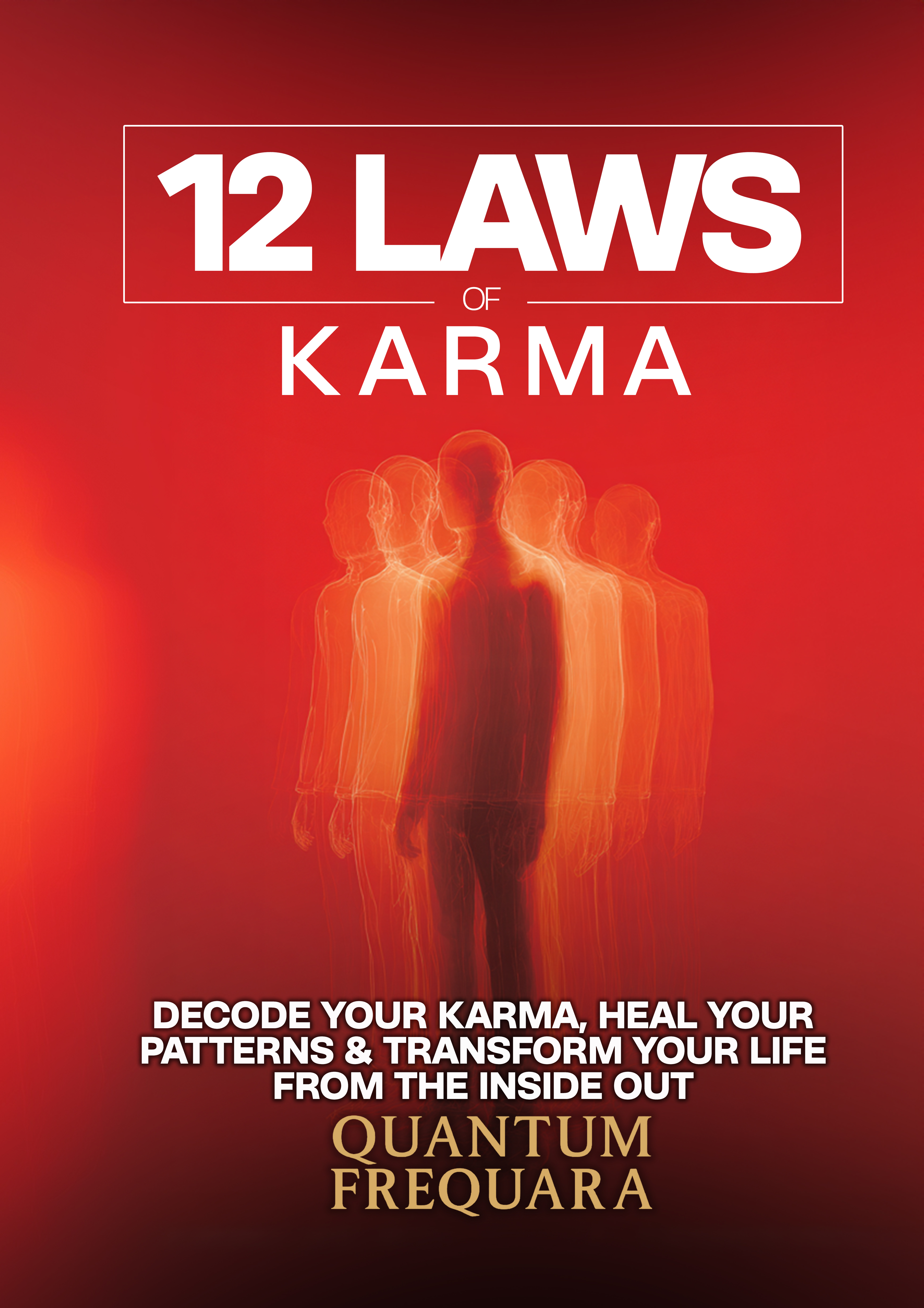
The 12 Laws of Karma
Explore how karmic patterns operate in relationships and how to break cycles that repeat across multiple partnerships. Available now on Amazon.
Also Recommended
The 12 Laws of Relationships
Twelve laws on who feels familiar to you, what runs when love is close, and how two people repair after a rupture, with a ten-minute daily practice for couples.
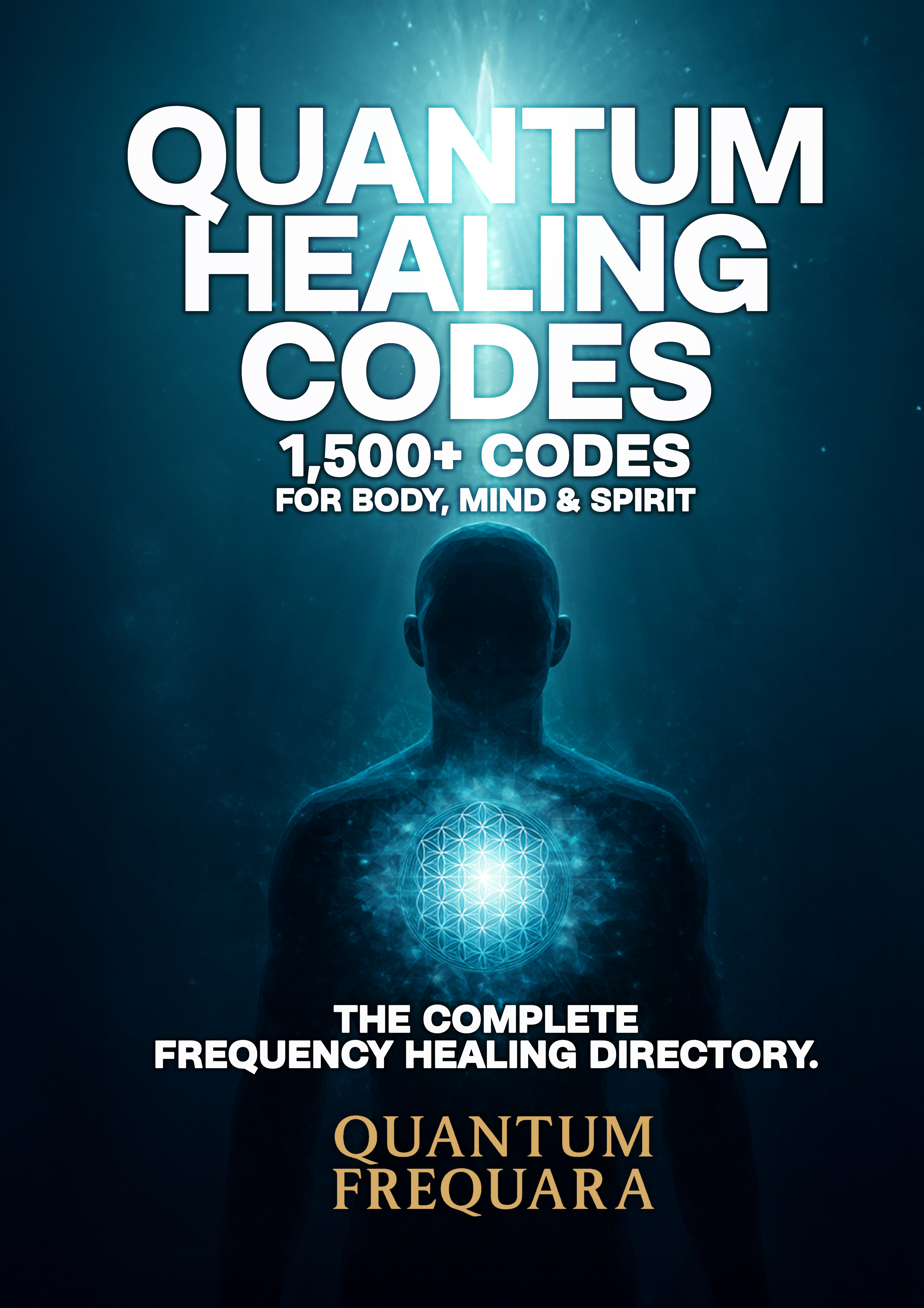
Continue your work with the codes. Quantum Healing Codes contains 1,500+ intentional number sequences across 40+ categories, including pain, sleep, anxiety and manifestation, paired with the full activation guide and the Frequara Starter Set. A practice for focus and intention, not cures or medical advice.