How to Calm Anxiety Naturally: Practices to Use Alongside Professional Care
Anxiety is the body's response to stress or threat, and sometimes it stays switched on. What is happening, and practices that may help you feel calmer alongside professional care.
Anxiety is the body’s response to stress or threat, and sometimes it stays switched on. What is happening, and practices that may help you feel calmer alongside professional care.
Anxiety is not a character flaw. It is your body’s alarm system doing its job, sometimes too loudly or for too long. A racing heart, a tight chest, shallow breathing and a mind scanning for what could go wrong are all part of the same response.
This guide explains what anxiety is, why it can get stuck, and natural practices that may help some people feel calmer. None of them replace care from a doctor or mental health professional. They are things you can do every day, alongside that care.
What Anxiety Is
Anxiety is a normal human response to stress, uncertainty or threat. In small doses it helps you prepare: it sharpens your attention before an exam or makes you careful on a dark road. For many people it rises and then settles once the situation passes.
It becomes a problem when it is intense, lasts for weeks, feels out of proportion to what is happening, or gets in the way of work, study, relationships or sleep. At that point it may be an anxiety condition, such as generalised anxiety disorder, panic disorder or social anxiety disorder. These are common health conditions, not a personal failing, and effective treatments exist, including psychological therapies such as cognitive behavioural therapy and, for some people, medication. A doctor or mental health professional can help you work out what is going on.
What Happens in Your Body
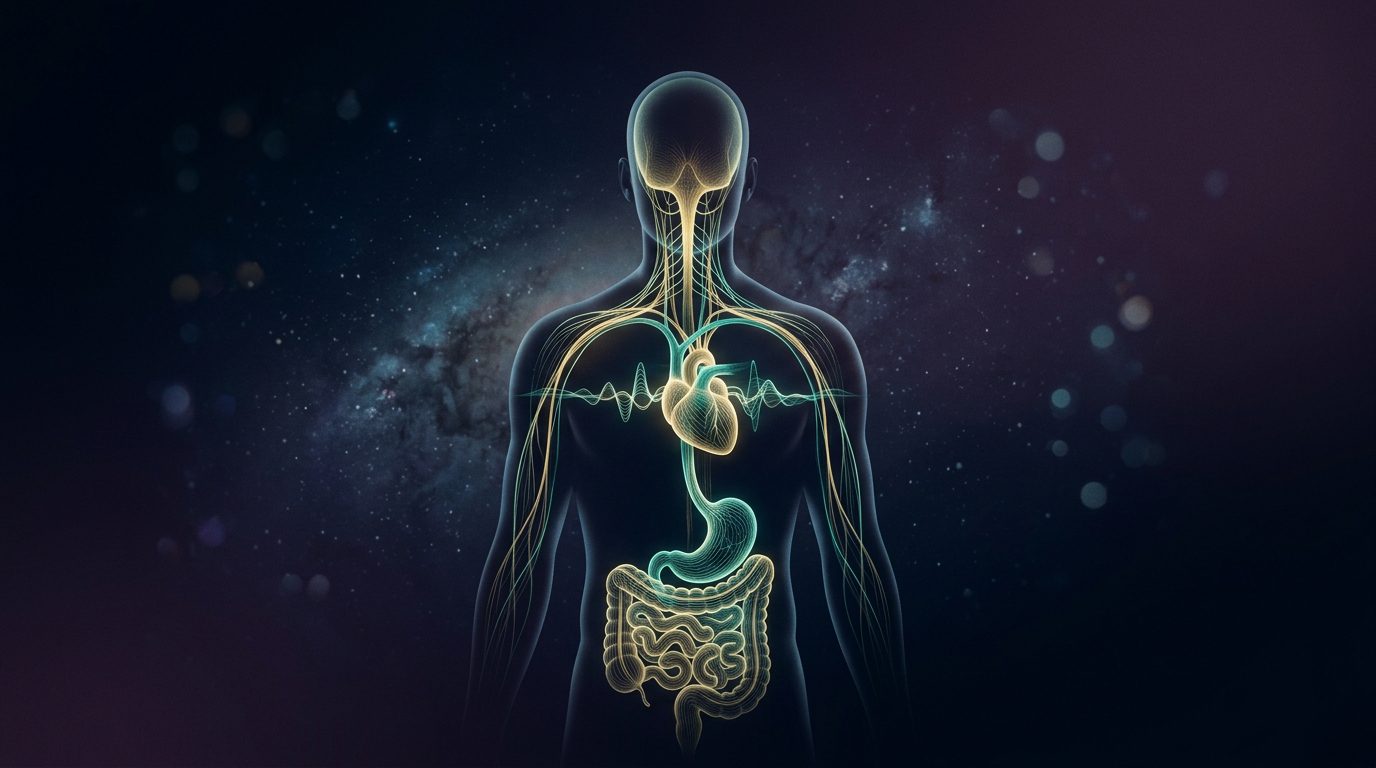
When your brain senses a threat, real or imagined, your sympathetic nervous system prepares you to act. This is often called the fight or flight response. Your heart beats faster, your breathing quickens, your muscles tense and your attention narrows onto danger. When the threat passes, the parasympathetic nervous system, which includes the vagus nerve, helps bring the body back towards rest.
With anxiety, that alarm can switch on when there is no immediate danger, or be slow to switch off. Some practitioners describe this with polyvagal theory, which maps states of safety, mobilisation and shutdown. Many people find it a helpful way to picture their experience, although parts of the theory are debated by researchers. You can read more in the guide to nervous system regulation.
Why Anxiety Can Get Stuck
There is rarely a single cause. Anxiety usually comes from a mix of factors, and it can help to notice which ones apply to you.
Ongoing Stress and Difficult Experiences
Long periods of pressure, such as work stress, money worries, illness or caring for someone, can keep the stress response running. Frightening or traumatic experiences can also teach the body to stay on alert in situations that feel similar, even when you are safe.
Family History and Temperament
Anxiety can run in families, through a mix of genes and what we learn growing up. Some people are also more sensitive to threat by nature. This is not something you chose, and it does not mean anxiety is fixed.
Physical Health and Substances
Some physical health conditions, some medicines, caffeine, alcohol and other drugs can cause or worsen anxiety symptoms. This is one reason it is worth seeing a doctor if your anxiety is new or has changed.
Avoidance
Avoiding what makes you anxious brings quick relief, but over time it can teach your brain that the situation really is dangerous, so the anxiety grows. Psychological therapies often help people face feared situations gradually and safely. If your fears are strong, work on this with a professional rather than alone.
The Anxious Person Story
If you have felt anxious for years, it is easy to start thinking “I am an anxious person.” Some therapies, such as acceptance and commitment therapy, encourage you to notice a thought or feeling as something passing through (“I am noticing anxiety right now”) rather than as who you are. For some people, that small shift makes anxiety feel less overwhelming.
Natural Ways to Calm Anxiety
These practices are low risk for most people and can be part of looking after yourself. Different things help different people, so try one at a time and notice what makes a difference for you.
Slow Your Breathing
Anxiety tends to make breathing fast and shallow. Slowing down, with an out-breath a little longer than the in-breath, may help your body shift towards rest. Try breathing in gently through your nose for about four seconds and out for about six, for three to five minutes. Research on slow breathing suggests it can ease feelings of stress for some people. If counting makes you more anxious, simply breathe out slowly and let the in-breath take care of itself.
Move Your Body
Regular physical activity is one of the better supported ways to help with anxiety symptoms. It does not need to be intense: a brisk walk, swimming, yoga or dancing all count. In the moment, gentle movement such as walking, stretching or shaking out your arms can help use up some of the energy the stress response creates.
Come Back to Your Senses
Anxiety often pulls your attention towards what might happen. Grounding brings it back to now. Feel your feet on the floor and the weight of your body in the chair, then name a few things you can see, hear and touch. Many people find this steadies them while a wave of anxiety passes.
Try Cool Water
Splashing cool water on your face, or holding something cold, can trigger the body’s dive reflex, which slows the heart rate a little. Some people find it interrupts a spike of anxiety. Keep it gentle, and check with your doctor first if you have a heart condition.
Look After Sleep
Poor sleep and anxiety feed each other. Regular sleep and wake times, putting screens away in the hour before bed and winding down with something calm can all help. If racing thoughts keep you awake, the guide to overthinking at night has a body-first evening routine.
Cut Back on Caffeine and Alcohol
Caffeine can bring on symptoms that feel like anxiety, such as a racing heart and jitters, especially in larger amounts. Alcohol may seem to take the edge off, but anxiety often returns more strongly as it wears off. Cutting back gradually is usually easier than stopping all at once. If you drink heavily, talk to a doctor before you stop, because stopping suddenly can be unsafe.
Try Mindfulness
Mindfulness means paying attention to the present moment with curiosity instead of judgement. Structured mindfulness programs have been studied for anxiety, and many people find a short daily practice helps. Start with five minutes of noticing your breath, and gently come back whenever your mind wanders.
Calming Sound and Codes
Some people like to practise with calm music, including tracks sold as solfeggio frequencies, or with a number code as a point of focus. There is no good evidence that a particular frequency or code treats anxiety. If sound or a code helps you settle into the breath, treat it as part of the practice, not as a treatment. Quantum codes for anxiety shows one short way to use a code with the breath.
The Frequara View
Calm is rarely something you can force. For many people it grows through small, repeated moments of settling. Anxiety coming back is not a sign that you have failed. It is a signal to return to the practice, and to reach for support when you need it.
A Simple Practice When Anxiety Rises
This short practice follows the four steps of the Frequara Correction, with a fifth step for support. It takes about ten minutes, or less once it is familiar.
- Recognise. Pause and name what is happening: this is anxiety, and I can feel it in my body right now.
- Reset. Let the body go first. Breathe out slowly for longer than you breathe in, for a few minutes. A gentle hum or cool water on your face are other options.
- Realign. Ask what is actually true right now, and choose one small, believable next step.
- Radiate. Take that one step, even if some anxiety comes with you.
- Reach out. If anxiety keeps coming back or feels intense, or you are using alcohol or other drugs to cope, talk to a doctor or a qualified mental health professional.
A Daily Rhythm
Morning
- A few minutes of slow breathing with a longer out-breath
- A short walk or some gentle movement
- A moment to feel your feet on the ground before the day starts
During the Day
- Keep caffeine modest, and notice how it affects you
- Take one slow breath before a task that makes you anxious
- Take small steps towards things you have been avoiding, at a pace that feels manageable
Evening
- Put screens away in the hour before bed
- Write down anything on your mind, and one thing that went well today
- Five minutes of mindfulness or a slow body scan in bed
When to Get Professional Help
See a doctor or a qualified mental health professional if anxiety:
- is there most days, or has lasted more than a few weeks
- gets in the way of work, study, relationships or sleep
- comes with panic attacks
- leads you to avoid places, people or everyday tasks
- has you using alcohol or other drugs to cope
In Australia, your GP can talk through options with you, including a mental health treatment plan. If you have thoughts of harming yourself or feel unsafe, call Lifeline on 13 11 14 (Australia), call or text 988 (US), or contact your local emergency number now.
Working Alongside Your Care
Natural practices and professional care are not competing choices. Therapy, medication when it is recommended, lifestyle changes and support from people you trust can all work together. Medication is an appropriate and effective option for many people, so do not stop or change a prescribed medicine without talking to your doctor first.
What the practices in this guide offer is something you can do every day, in your own time: a way to notice anxiety sooner, settle your body a little, and take the next small step. If you want to go further with the mind and nervous system, The 12 Laws of the Mind works through overthinking and the patterns behind it.
Frequently Asked Questions
Can anxiety be calmed naturally?
Often, at least in part. Slow breathing, regular movement, steady sleep, less caffeine and alcohol, and mindfulness can help many people feel calmer. They are not a cure, and they work best alongside professional care, especially if anxiety is frequent or intense.
How long do natural practices take to help?
It varies from person to person. Slow breathing may help you feel a little steadier within minutes. Changes from regular exercise, better sleep or mindfulness usually build over weeks of steady practice. If you are not feeling better, or your anxiety is getting worse, see a doctor or a mental health professional.
Should I stop my anxiety medication and use natural methods instead?
Not without talking to your doctor. Stopping some medicines suddenly can cause withdrawal effects or a return of symptoms. Natural practices can be used alongside medication, and your doctor can help you make any changes safely.
When should I see a professional for anxiety?
If anxiety is there most days, lasts more than a few weeks, gets in the way of work, study, relationships or sleep, or comes with panic attacks, see a doctor or a qualified mental health professional. If you have thoughts of harming yourself, call Lifeline on 13 11 14 (Australia), call or text 988 (US), or contact your local emergency number.
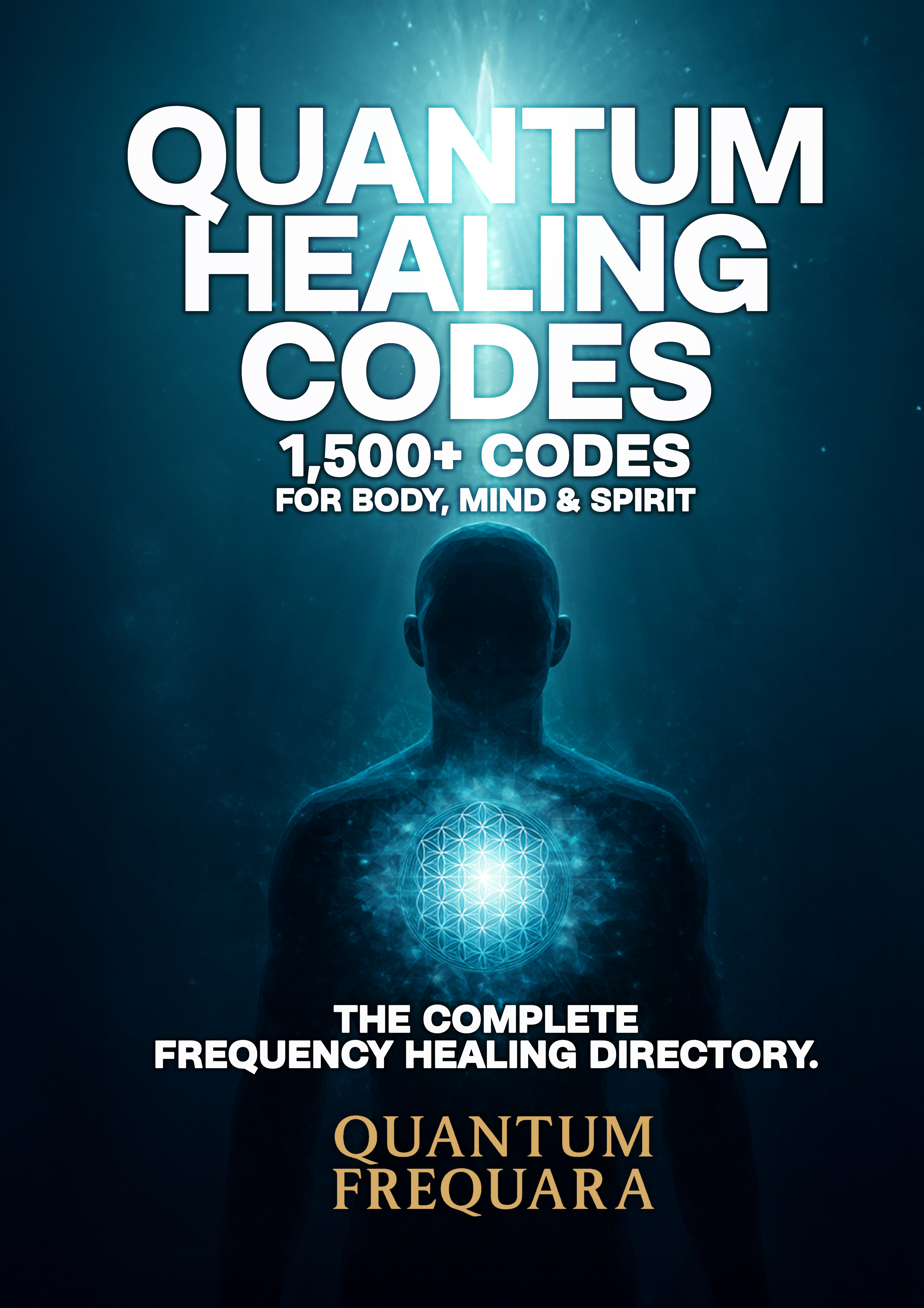
Continue your work with the codes. Quantum Healing Codes contains 1,500+ intentional number sequences across 40+ categories, paired with the full activation guide and the Frequara Starter Set. The codes are not cures and not medical advice.